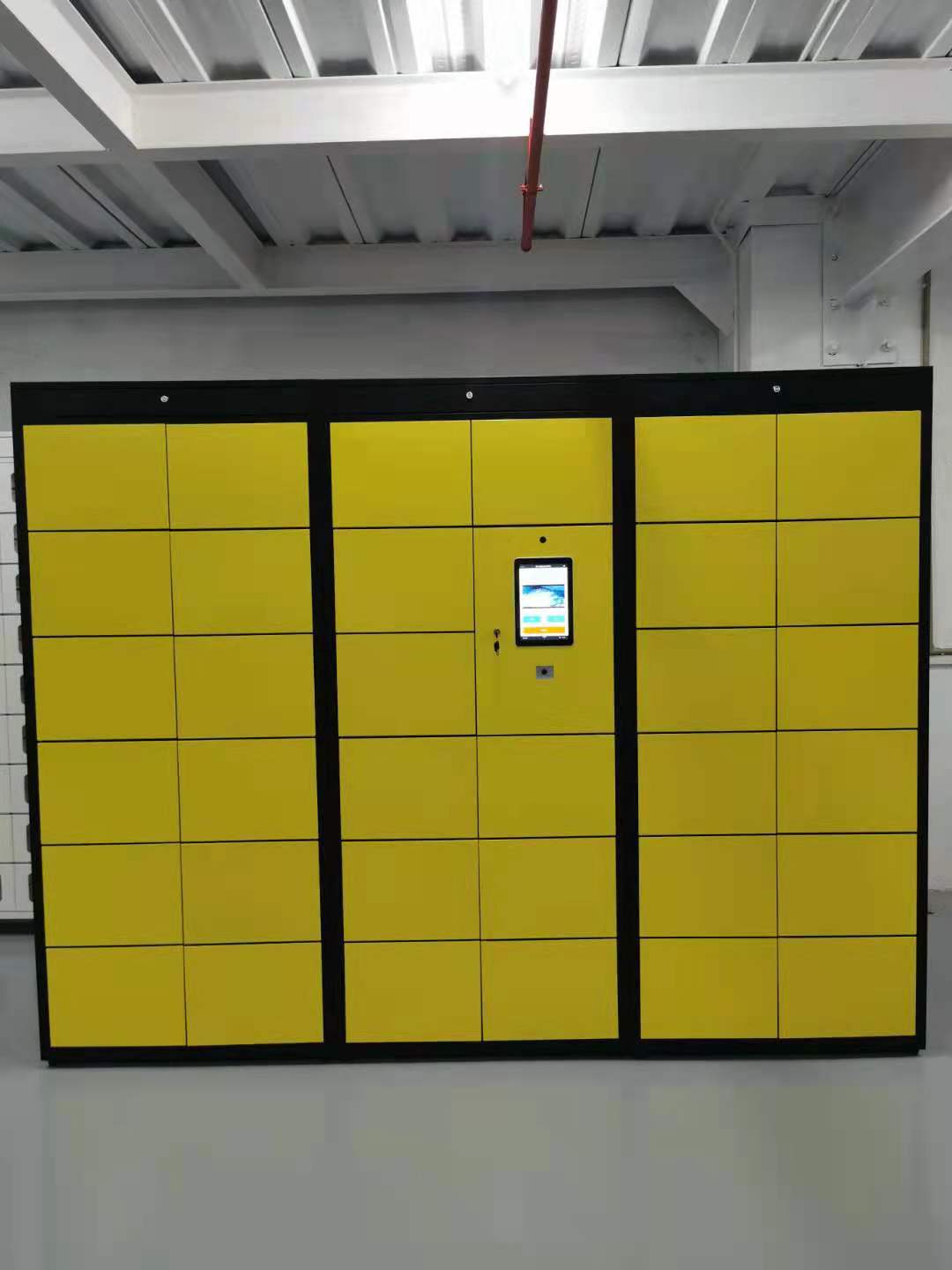
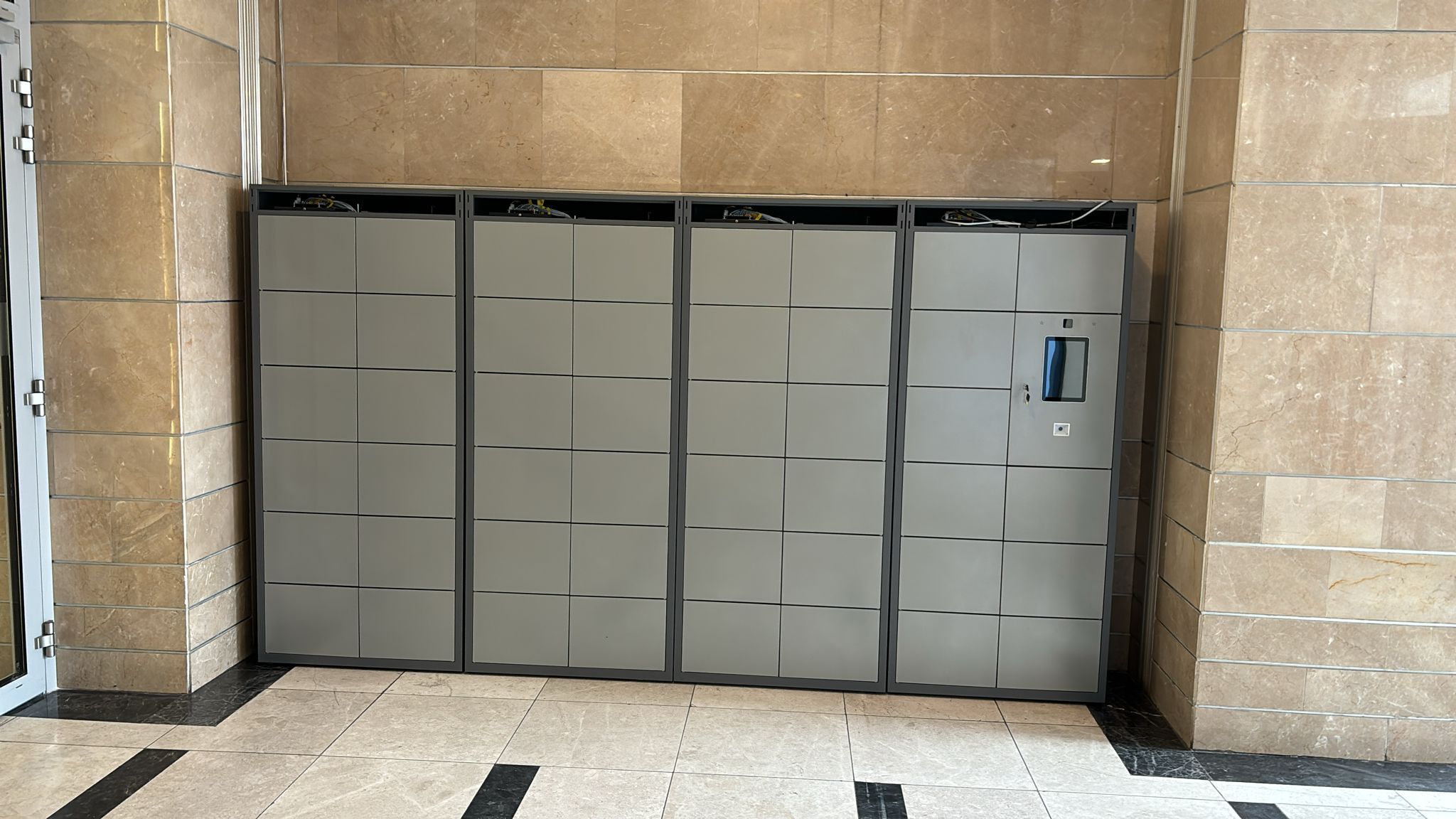
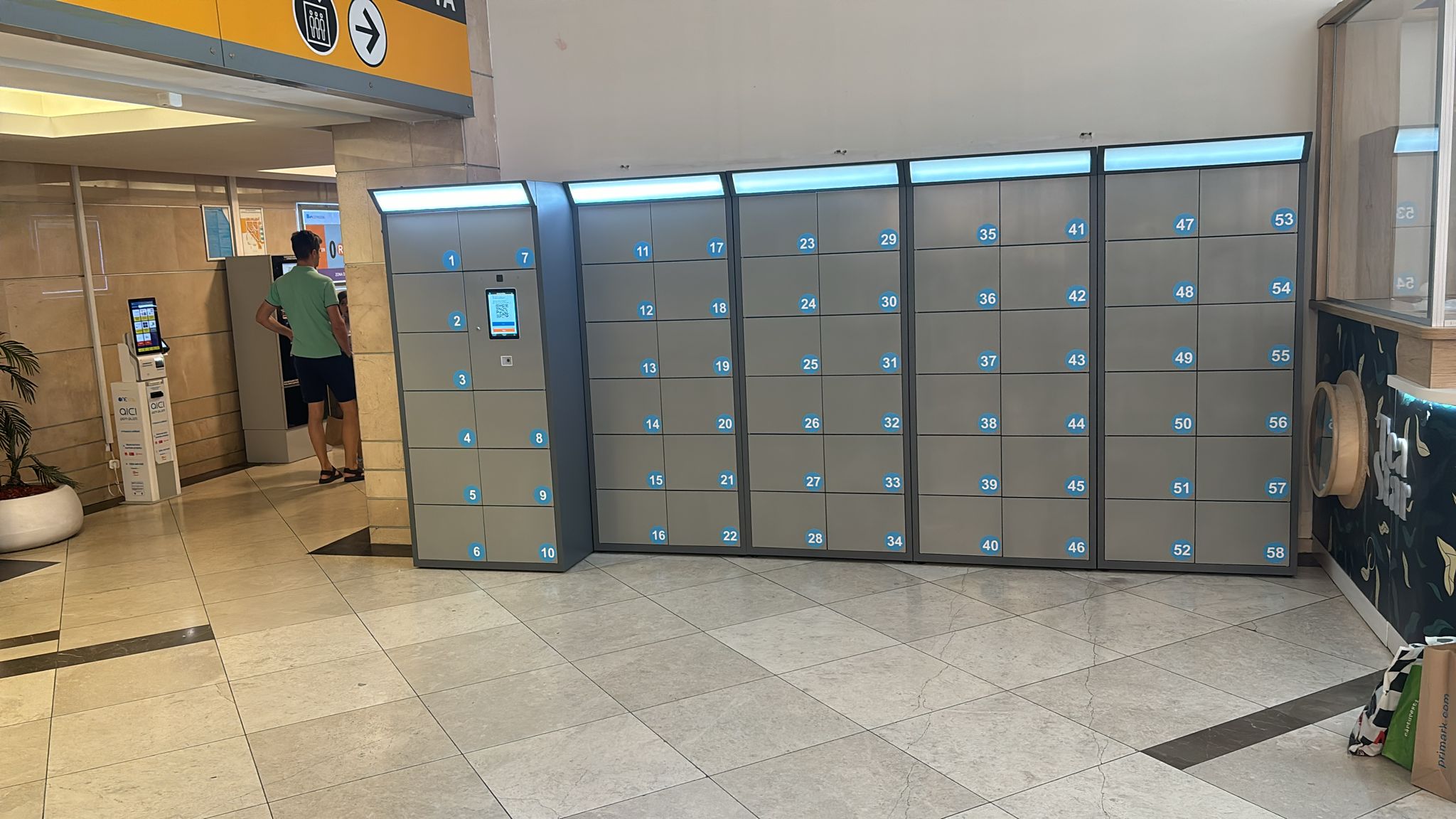
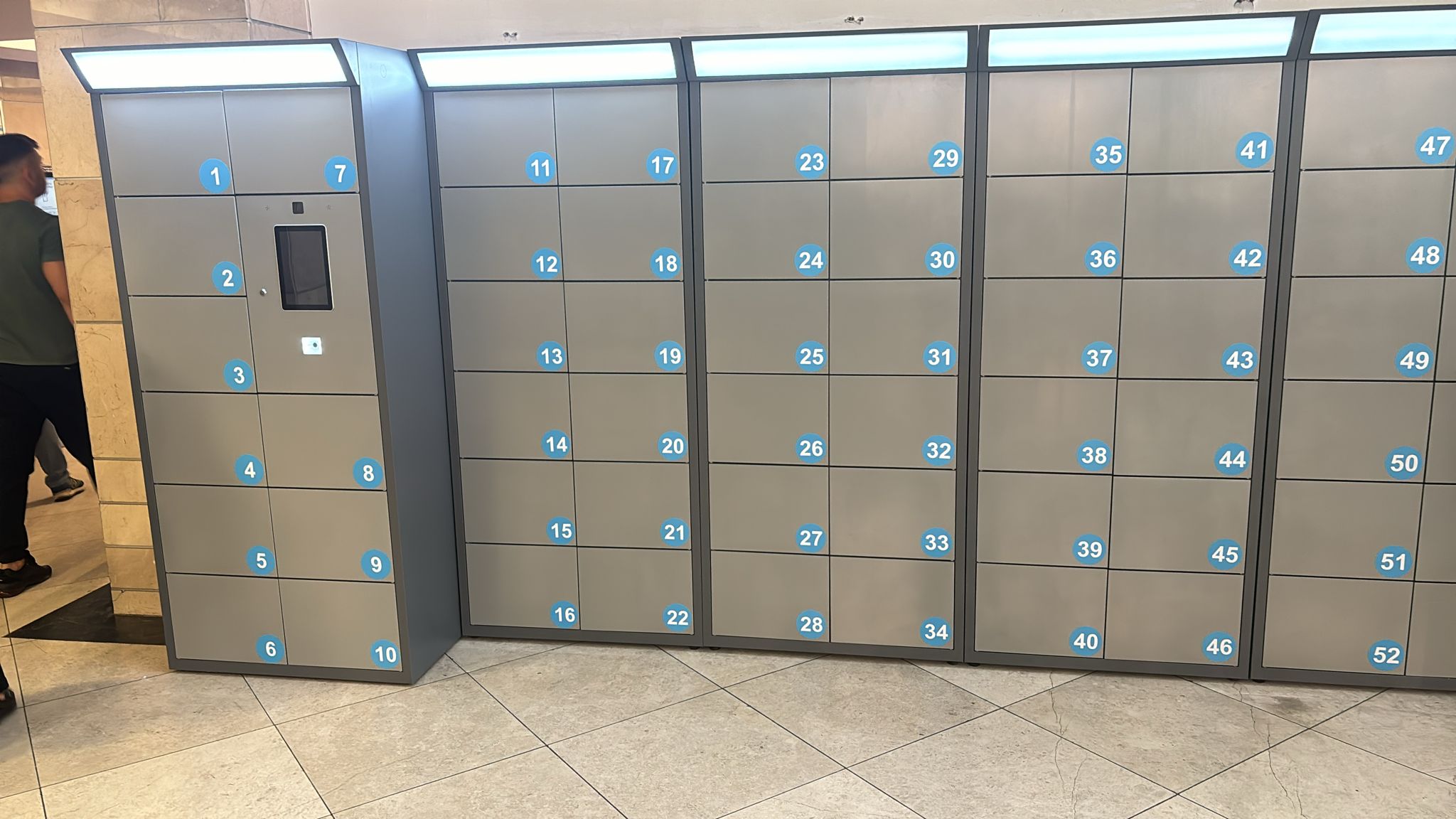
Luggage Locker
Use Case: Luggage Storage in a Smart Locker
Main Actor: Tourist
Main Scenario:
- Identification: The tourist arrives at the smart locker location (e.g., a train station, airport, or tourist center).
- Authentication: The tourist uses the app and logs in via a password, QR code, or fingerprint.
- Locker Selection: Once authenticated, the tourist can choose an available locker based on the size of their luggage.
- Luggage Storage: The tourist opens the selected locker and places their luggage inside. The app confirms that the luggage has been securely stored.
- Access Code Generation: After closing the locker, the system generates a unique access code (or a QR code) that the tourist can use to retrieve their luggage.
- Payment: If required, the tourist completes the payment for the storage service via the app or a terminal.
- Storage Confirmation: The tourist receives a notification on their phone confirming that the luggage is securely stored and can be retrieved at any time.
Alternative Scenario:
- Luggage Retrieval: When the tourist returns, they log in again, enter the previously received access code, and open the locker to retrieve their luggage.
Objectives:
- To provide a safe and convenient solution for tourists to store their luggage.
- To reduce waiting time for luggage storage and retrieval.
- To create a simplified user experience through an intuitive mobile app.
Benefits:
- Tourists can explore the city without carrying their luggage.
- Reduced risk of luggage theft or damage.
- Offering a modern service that can attract more tourists to the area.